Dignity and human rights
Every woman has the right to respect, privacy, personal boundaries, informed consent, refusal, and a part in decisions about her body, health and life.
An interdisciplinary Ukrainian NGO building an ecosystem of trauma-sensitive support for women — bringing together direct help, professional education, support for practitioners, standards of ethical communication and social change.
The Association for the Prevention of Traumatic Childbirth is a non-governmental organisation that brings together practitioners, civic initiatives and partner communities around a culture of dignified, safe and trauma-sensitive treatment of women during pregnancy, birth and the postnatal period.
We are building an ecosystem of support in which a woman has access to reliable information, psychological and practical help, respect for her own decisions, and safe interaction with professionals.
We pay particular attention to the people who accompany women through these periods every day. We develop professional education, a culture of supervision, ethical principles of interaction, and practical tools for preventing psychological trauma.
The Association combines direct support for women and families, professional development, interdisciplinary partnership, research and public advocacy.
Dignity. Safety. Support. Professional responsibility.
To create and develop in Ukraine an ecosystem of trauma-sensitive support for women during pregnancy, birth and the postnatal period.
We help women and families get the support they need, train and support the practitioners who work with them, develop standards of ethical communication and care, and help bring these approaches into professional practice and the work of organisations.
Our work aims to reduce the risk of psychological trauma, strengthen a sense of safety, uphold a woman's rights and dignity, and make support available at every stage of her experience of motherhood.
A Ukraine in which every woman, through pregnancy, birth and the postnatal period, can count on dignified treatment, safe interaction and timely support.
We want trauma sensitivity, respect for personal boundaries, informed consent, the right to choose, and attention to a woman's psychological state to become an ordinary part of professional practice.
We see a future in which practitioners of different specialities work together as professional equals, with access to good education, supervision and psychological support.
In that future a woman does not have to search for help among scattered services and organisations on her own. She knows where to turn, what support she can get, and how to protect her rights.
The future is born in childbirth.
Pregnancy, birth and the postnatal period bring profound physical, psychological and social change. At this time a woman may need more information and support, protection of her personal boundaries, and careful attention to how she is.
Her experience of practitioners, family and institutions can shape her sense of safety, her trust, her psychological wellbeing and her recovery.
At the same time, the practitioners who help her often work under heavy emotional strain. Without enough training, professional support and the chance to recover, it is harder for them to keep the quality of care steady.
We work so that women and practitioners have more accessible resources, clear pathways and opportunities to get the help they need.
Every woman has the right to respect, privacy, personal boundaries, informed consent, refusal, and a part in decisions about her body, health and life.
We recognise that a person's past experience can shape her reactions, needs and sense of safety. We aim to prevent re-traumatisation and to support predictability, choice and her control over her own experience.
A woman is a full participant in everything that concerns her. Her voice, decisions, feelings and individual needs matter.
We rely on current science, ethical principles and well-founded practice. We recognise the limits of our own competence and the importance of timely referral to the right specialists.
Good support needs people with different competences working together. We stand for professional equality, mutual respect, clear division of responsibility and the sharing of experience.
Practitioners have the right to professional support, supervision, recovery and safe working conditions. Looking after their psychological wellbeing is part of a sustainable system of help.
We want support to be available to women of every background, circumstance, state of health and need — including those living with the effects of war, loss or social isolation.
We uphold confidentiality, voluntariness, non-discrimination, responsible use of resources and openness about the results of our work.
A trauma-sensitive approach takes into account how past traumatic experience may affect a person's state, behaviour, needs and interactions with others. For us it means:
We want these principles to apply whichever practitioner or organisation a woman turns to.
The Association is open to practitioners who share our values and work with women and families in the perinatal period.
We support cooperation across professions, respect for each participant's competence, and shared responsibility for the quality of support a woman receives.
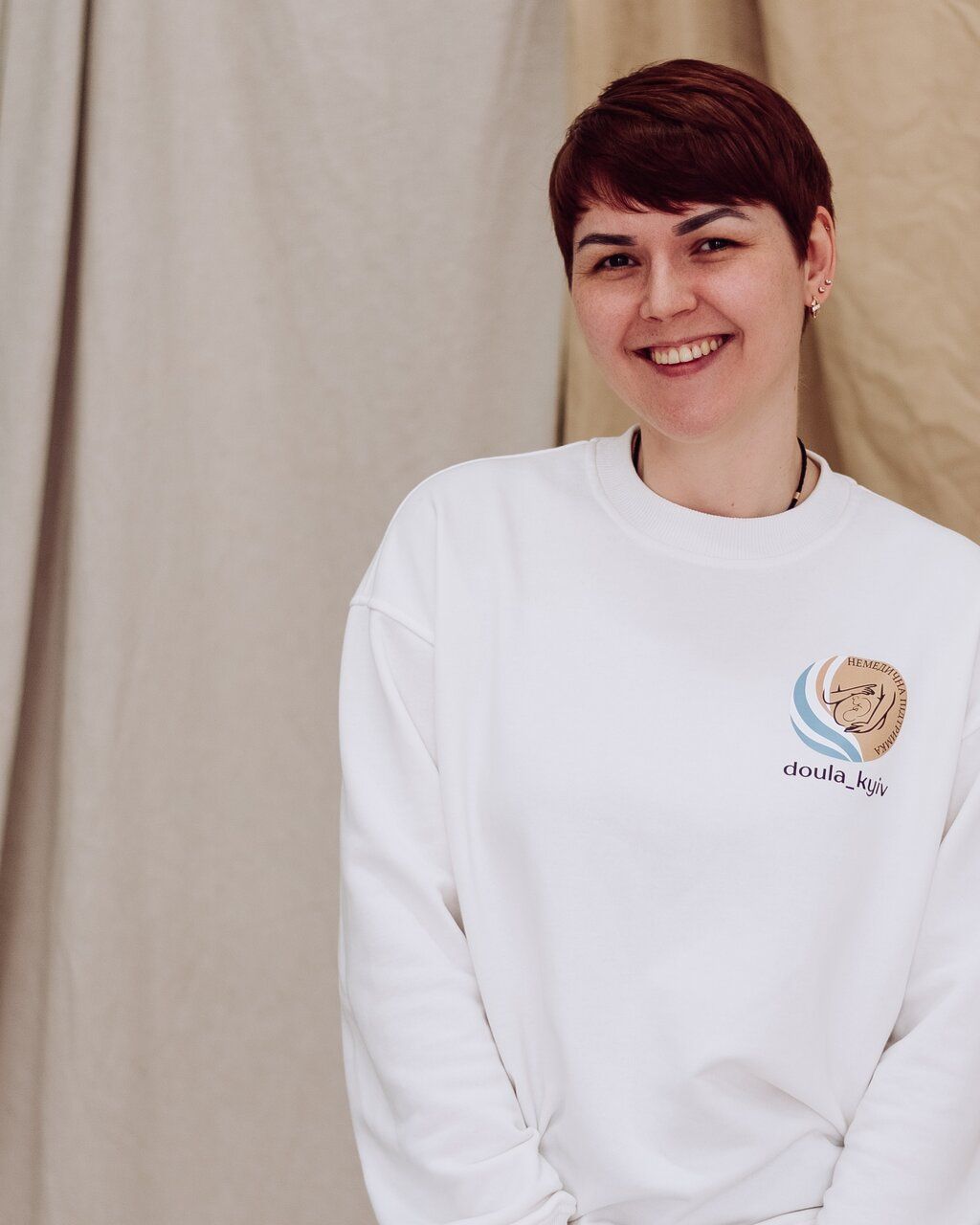
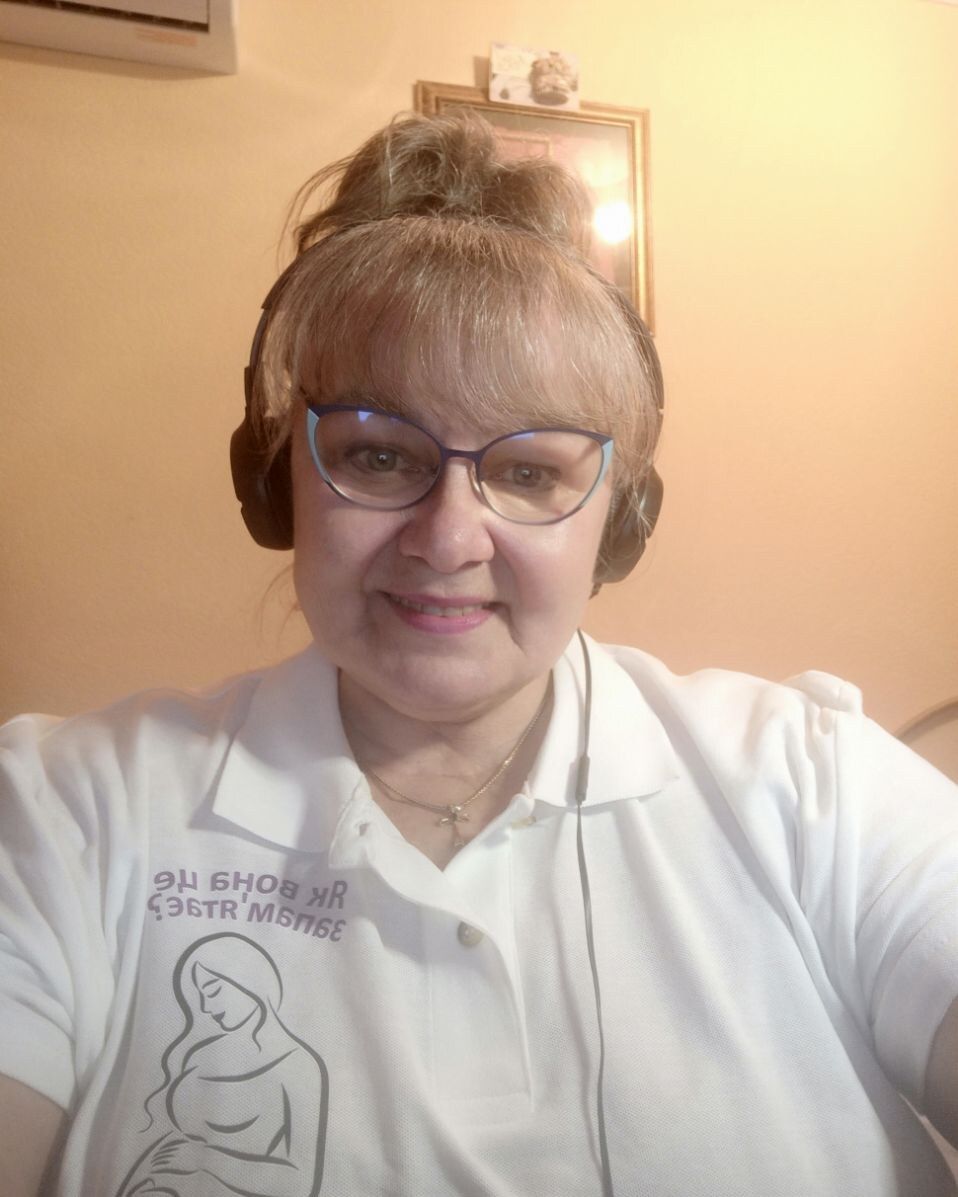
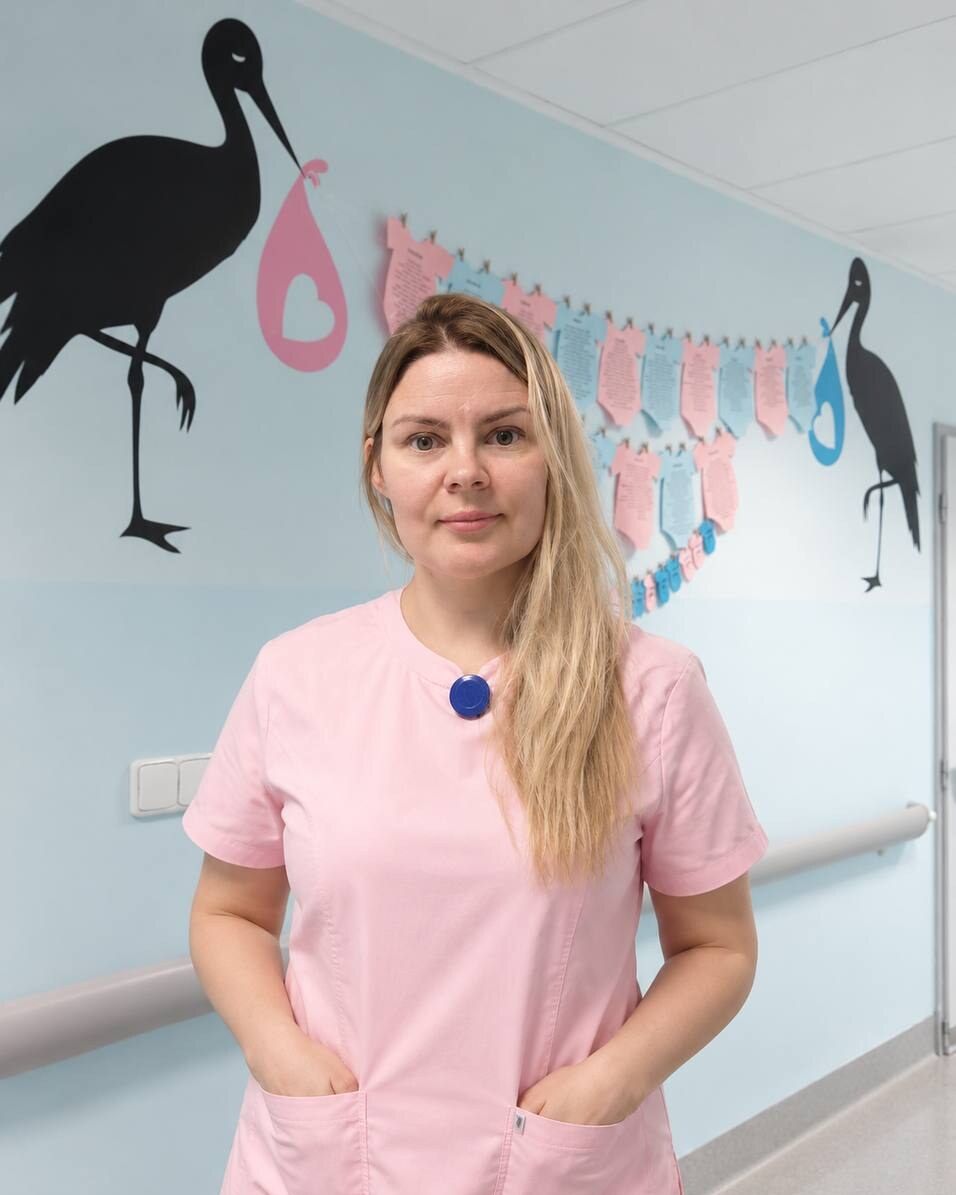
The Association was registered on 2 October 2023. Its founders, who signed the statute, are Svitlana Kresina and Zoia Turkovska. The team are perinatal specialists from several fields: obstetrician-gynaecologists, doulas, psychologists and psychotherapists, and birth-preparation instructors.